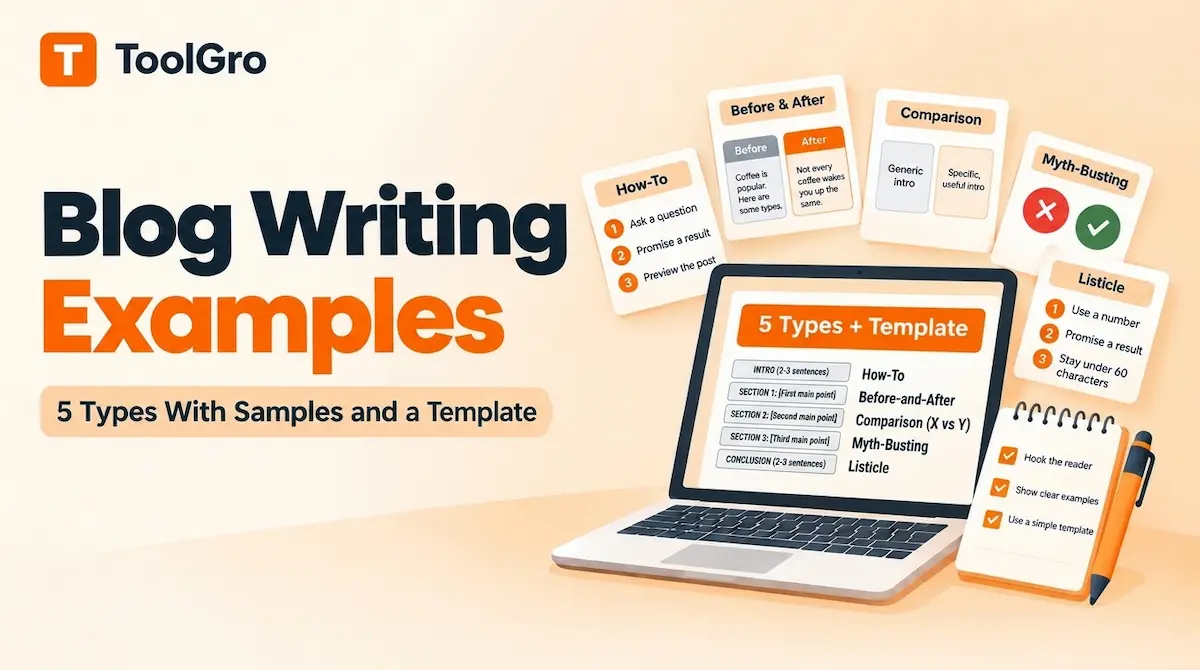

This article presents five types of blog posts, along with blog writing examples illustrating how each one functions. You will learn why each type is useful and when to use it.
Whether you are a beginner, a student, or a new blogger, these blog writing examples will help you understand how to write different types of blog posts. You will find sample posts, a simple template for planning your content, and answers to frequently asked questions. By the end, you will know which format fits your topic and how to start without overcomplicating things.
5 Blog Writing Examples
Here are five blog writing examples you can learn from, each with a short sample, why it works, and when to use it.
1. How-To Blog Post Example
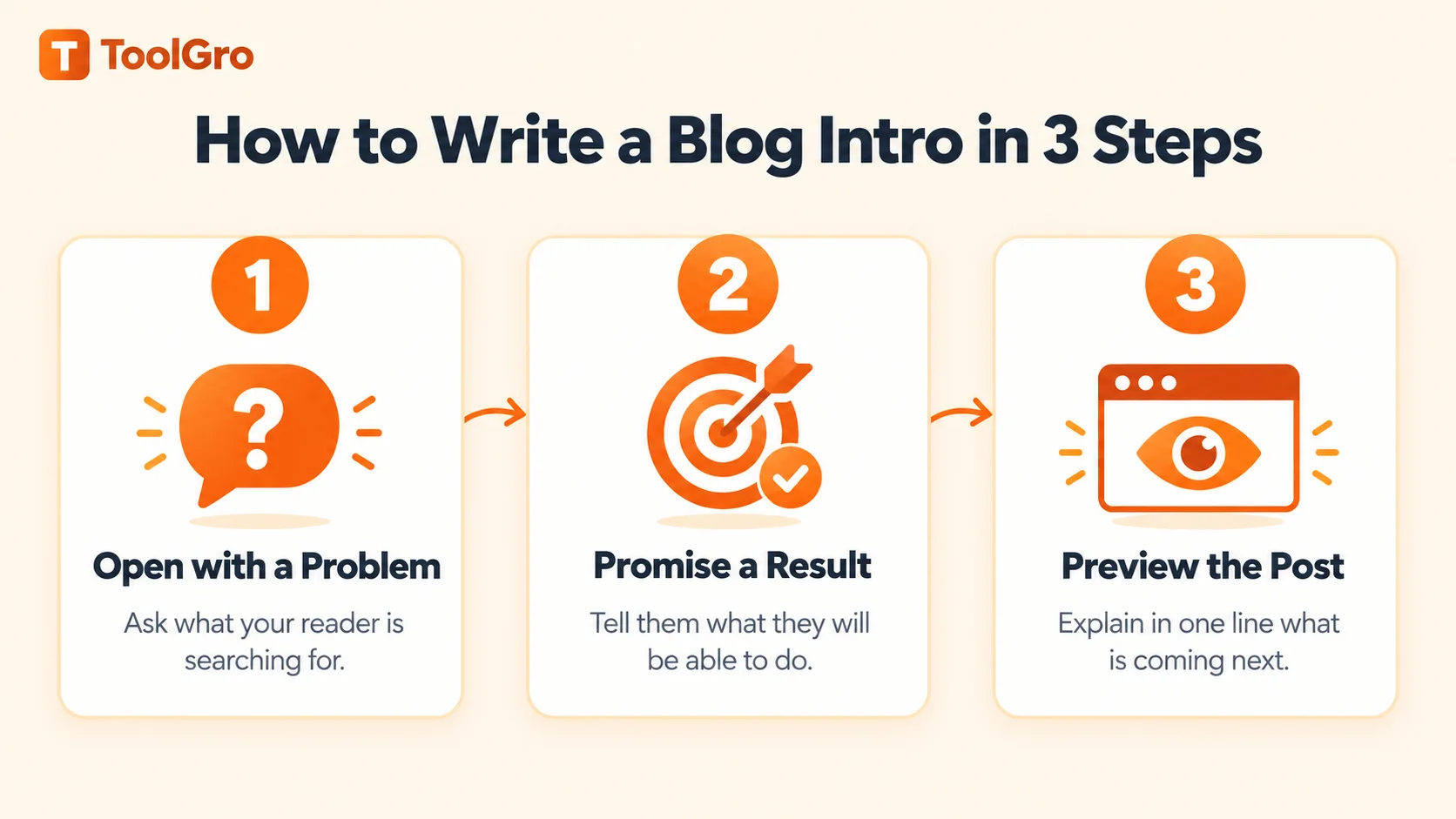
Title: How to Write a Blog Intro in 3 Steps
Starting from scratch? In just three steps, you can write a strong intro that hooks your readers.
Step 1: Open with a problem. Ask a question that matches what your reader is searching for.
Step 2: Promise a result. Tell them directly what they can do after reading the post.
Step 3: Preview the post. In one line, explain what is coming.
Why the how-to format works
Numbers catch a reader’s attention, especially when the title clearly tells them what they will get. As a result, readers know the outcome before they start reading. A short intro talks about the exact problem instead of the writer’s background. Short, clear headings and one task per step make the process easier to follow.
Use this when
Use a how-to post when a reader wants to learn a task. It can be a recipe, a skill, or a setup that needs specific steps. Skip it for opinion pieces or personal stories, which work better in a different format.
2. Before-and-After Rewrite Post Example
Title: We Rewrote the Most Boring Paragraph Ever. Here Is What Changed.
Before: As you know, coffee is a very popular drink that a lot of people enjoy daily worldwide. But fewer people know there are a lot of types of coffee. In this article, I will tell you about some.
After: Not every coffee wakes you up the same way. Some cups are mostly milk, and others pack a real punch. Here is how to order the one you actually need.
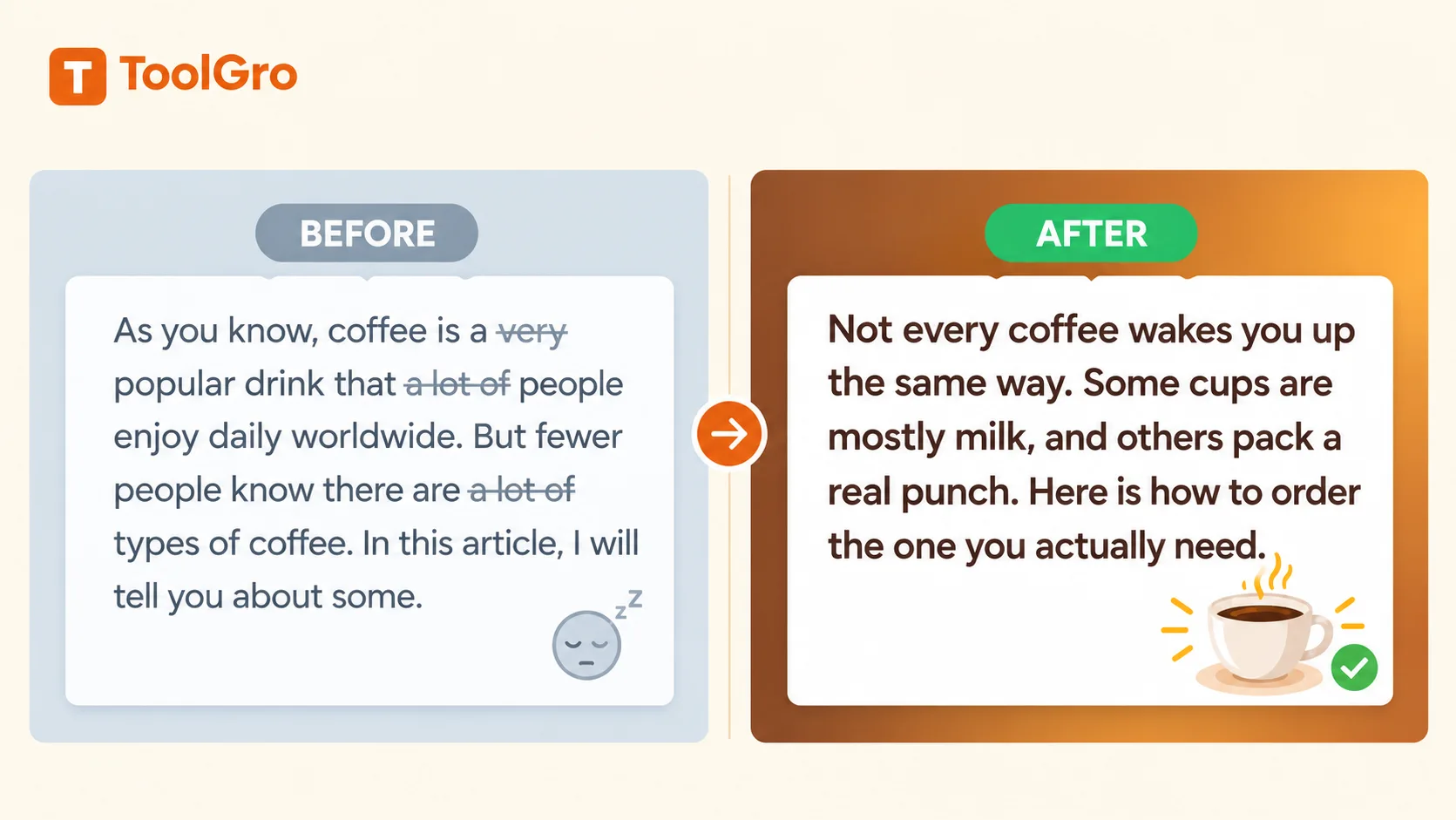
What changed: The general statement became a specific hook that speaks directly to the reader.
Why it works
Readers can see the difference right away, so you do not need a long explanation. The “Before” is very general and full of unnecessary words that do not interest readers. The “After” gives readers a reason to keep going because it speaks to their interests.
Use this when
Use a before-and-after post when you want to show what better writing looks like instead of just describing it. It works well for short paragraphs, introductions, and conclusions. Skip it if the topic is too long to show in a few sentences.
3. Comparison Post (X vs Y) Example
Title: Short Posts vs Long Posts: Which Should You Write?
| Factor | Short Posts | Long Posts |
| Time to write | An hour or two | Several hours |
| Best for | Quick answers | Deep guides |
| Reader effort | Low | Higher |
| Biggest risk | Feels thin | Feels overwhelming |
The verdict: If the answer is simple, keep your post short. Go long only if readers need to understand the topic from every angle.
Why it works
Readers who open a “vs” post usually need to choose between two options, and a clear table makes that choice easier. Since every row covers the same points for both options, comparing them is simple. A clear verdict at the end tells readers what to choose instead of leaving them to guess.
When to use a comparison post
Choose a comparison post when your readers need to pick between two tools, methods, or procedures. It works best when the strengths and weaknesses of both options are clear and both can be judged on the same points. Skip it if one option is clearly better or if there are too many options to fit in a simple table.
4. Myth-Busting Post Example
Title: Do You Really Have to Post Every Day to Grow a Blog?
The myth: “If you are not publishing daily, readers will forget you.”
The reality: A few helpful posts are better than a bunch of posts written in a hurry.
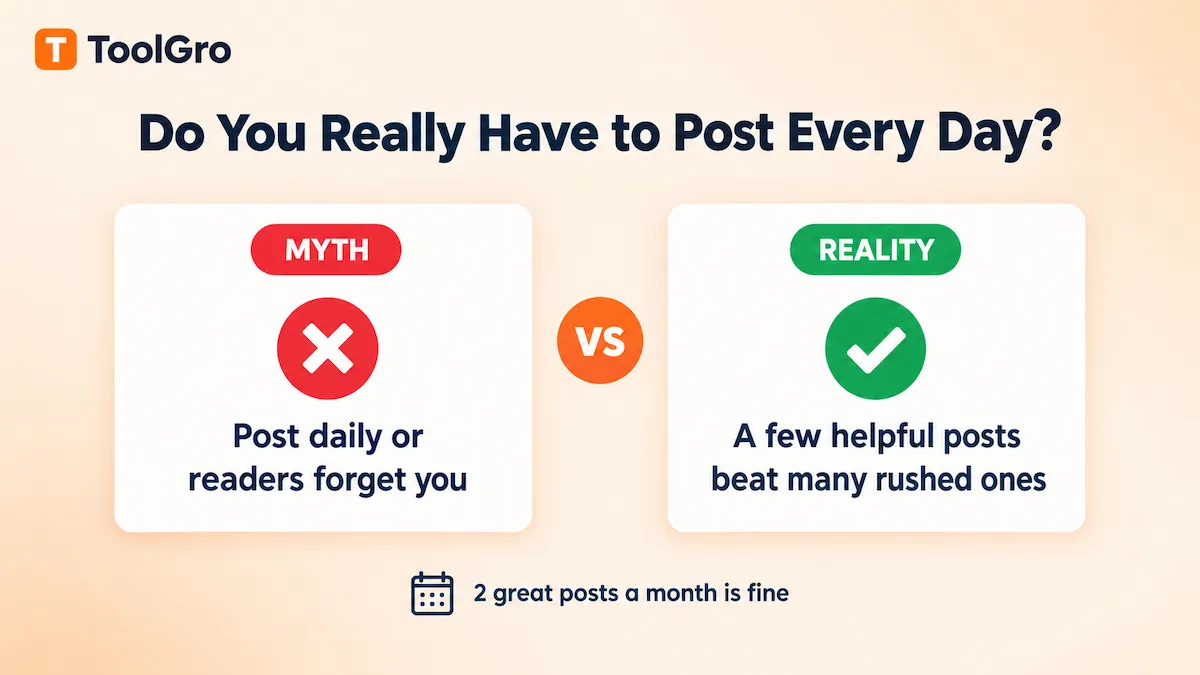
Why people believe it: Media sites and newspapers publish all day, so daily posting looks like the path to success. In reality, they have entire teams behind them.
What to do instead: Stay consistent, even if you only publish two articles a month. That is fine.
Why it works
Many new bloggers worry about posting every day, so readers relate to it right away. The “myth” and “reality” labels make the correction easy to spot, even for skimmers (readers who quickly scan content for key information). Finally, explaining why people believe the myth keeps readers interested.
Use this when
Use a myth-busting post when you have solid research on a common misunderstanding that misleads people. It works best when you can back the correction with your own experience or data. Skip it if the topic has no real misunderstanding or if you cannot support your correction.
5. Listicle Blog Post Example
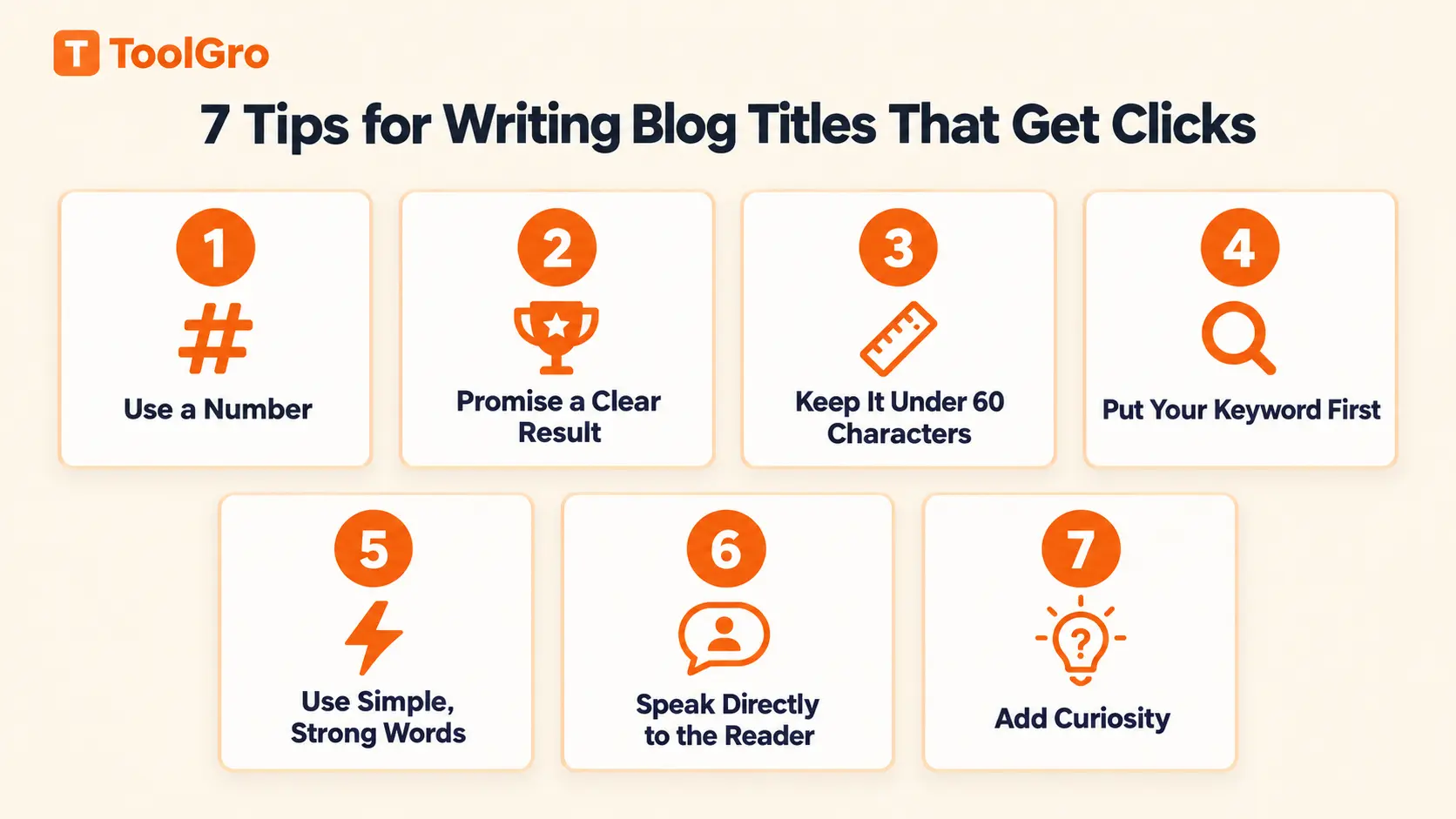
Title: 7 Tips for Writing Blog Titles That Get Clicks
No matter how good your post is, it goes unread if the title does not grab attention. Here are seven tips to help you write titles people actually click on.
1. Use a number: Numbers tell readers exactly what to expect.
2. Promise a clear result: Show what readers will gain.
3. Keep it under 60 characters: Shorter titles are less likely to get cut off in search results.
4. Put your main keyword first: Readers and search engines see it right away.
5. Use simple, strong words: Clear language is easier to scan.
6. Speak directly to the reader: Words like “you” make the title feel personal.
7. Add curiosity: Hint at something readers will want to find out.
Why it works
The number in the title tells readers how much time and effort the post will take, so it feels quick and easy to finish. Each tip also has its own bold heading, which lets skimmers jump to what matters to them. In addition, short points keep everything clear, so readers never face a long block of text that loses their interest.
Use this when
A listicle is a great option when you have several ideas or tips to share and your readers are short on time. It works well for topics made of separate points. Skip it when you need to tell a story or give one connected explanation.
What Makes a Good Blog Post?
You have probably noticed that some blog posts go viral while others get ignored. A good blog post explains a topic in a simple, easy-to-follow way. The structure, the choice of words, and the way the post is presented all help readers follow along. Most importantly, a good post respects readers’ time and gives them something useful to take away.
The examples above work because they share five basics.
1. A Strong Headline
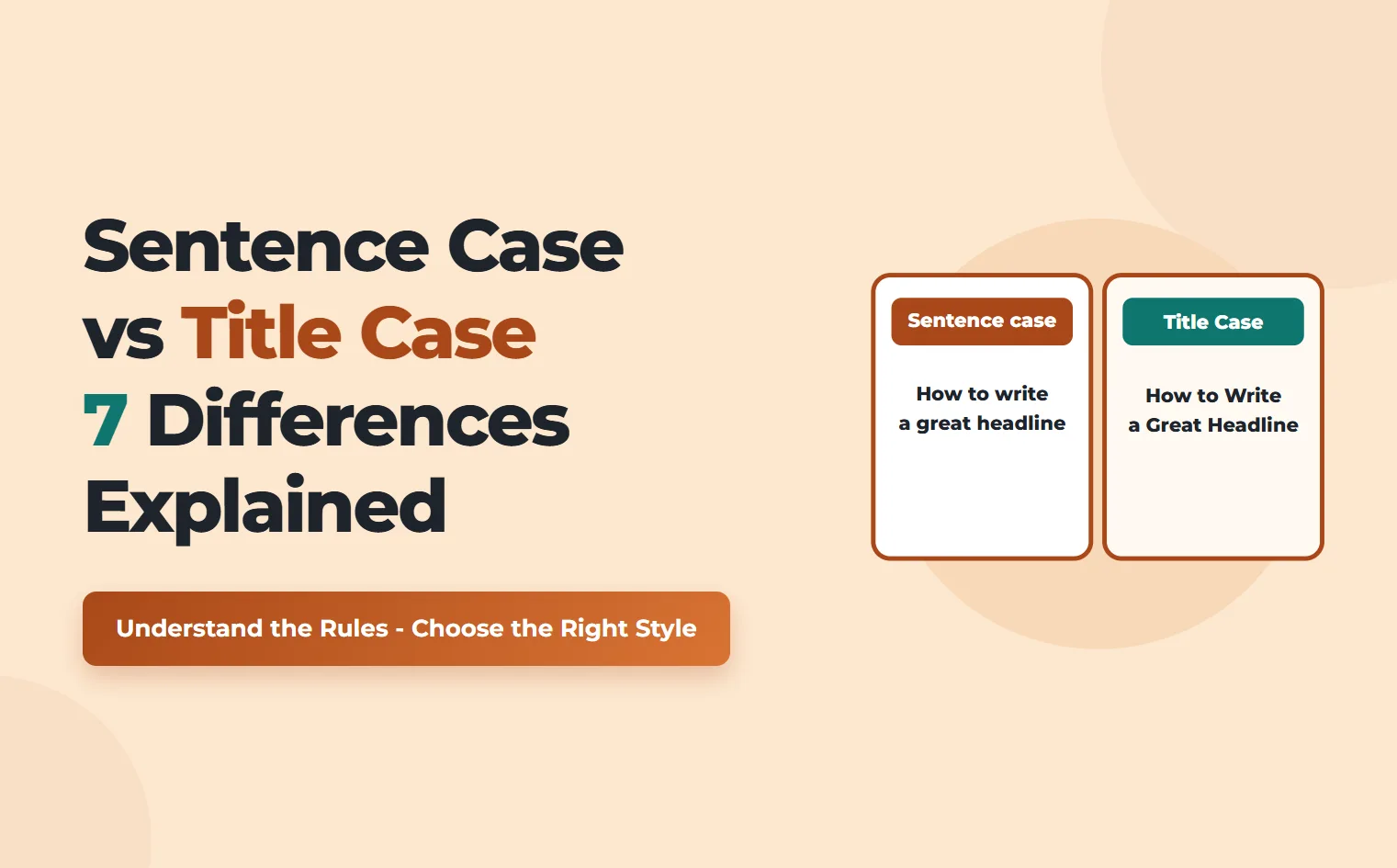
The headline is one of the most important parts of blog writing. It decides whether a reader will click on your post. If your headline matches the reader’s search intent (what the person wants to find), you can attract them to your blog. See sentence case vs title case to choose the right capitalization style for your headlines.
2. Clear Introduction
The intro should be direct and clear, focusing on the actual topic instead of taking a long way to get there. Readers do not want to waste time on irrelevant content. For copy-ready openers, see these blog introduction examples.
3. Subheadings and Structure
Every section of your blog post must have short paragraphs and descriptive subheadings. Your readers should be able to follow your point without effort. Make sure every section is well structured.
4. Valuable Content
Content is what keeps readers on your post. If it adds no value, they will scroll away. Give readers something useful in every post. That value can be a solution to a specific problem, a comparison between X and Y, or something that educates the reader.
However, you do not have to invent something new. The reader just needs to learn something they did not know before. What you learn from your own research and experience adds real value to your content.
5. A Strong Conclusion
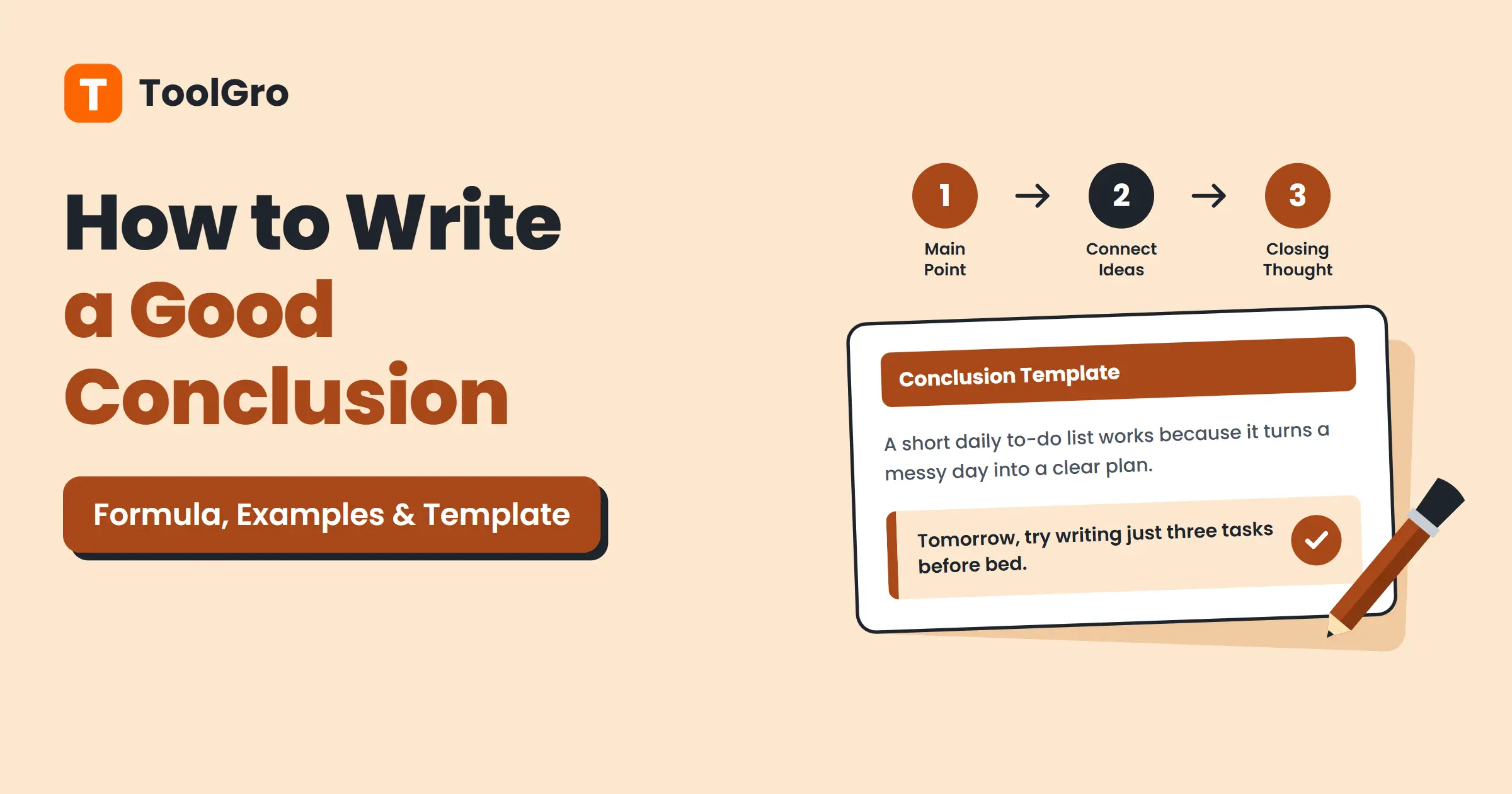
It is the final part of your post, where the article wraps up. It covers the main points in a few words and tells readers what to do next. You can also ask a question or invite readers to share their views. If you get stuck, this article on how to write a good conclusion gives a simple 3-part formula.
Which Blog Post Format Fits Your Goal?
Not sure which of the five formats to pick? These blog writing examples can help you choose the right format for your goal.
| Your goal | Best format | Why it fits |
| Teach a skill or process | How-To post | Numbered steps give the reader one clear task at a time. |
| Show what better writing looks like | Before-and-After post | The difference is visible straight away, so no long explanation is needed. |
| Help readers choose between two options | Comparison post (X vs Y) | A table puts both options side by side on the same points. |
| Correct a common misunderstanding | Myth-Busting post | The myth and reality labels make the correction easy to spot. |
| Share many quick ideas for busy readers | Listicle | Separate bold points let skimmers jump to what they need. |
Quick rule: if your post tells a story or needs one connected explanation, skip all five and write a normal narrative post.
Blog Post Template
Want to write your own post? Use these blog writing examples as a guide. Here is the quick blueprint:
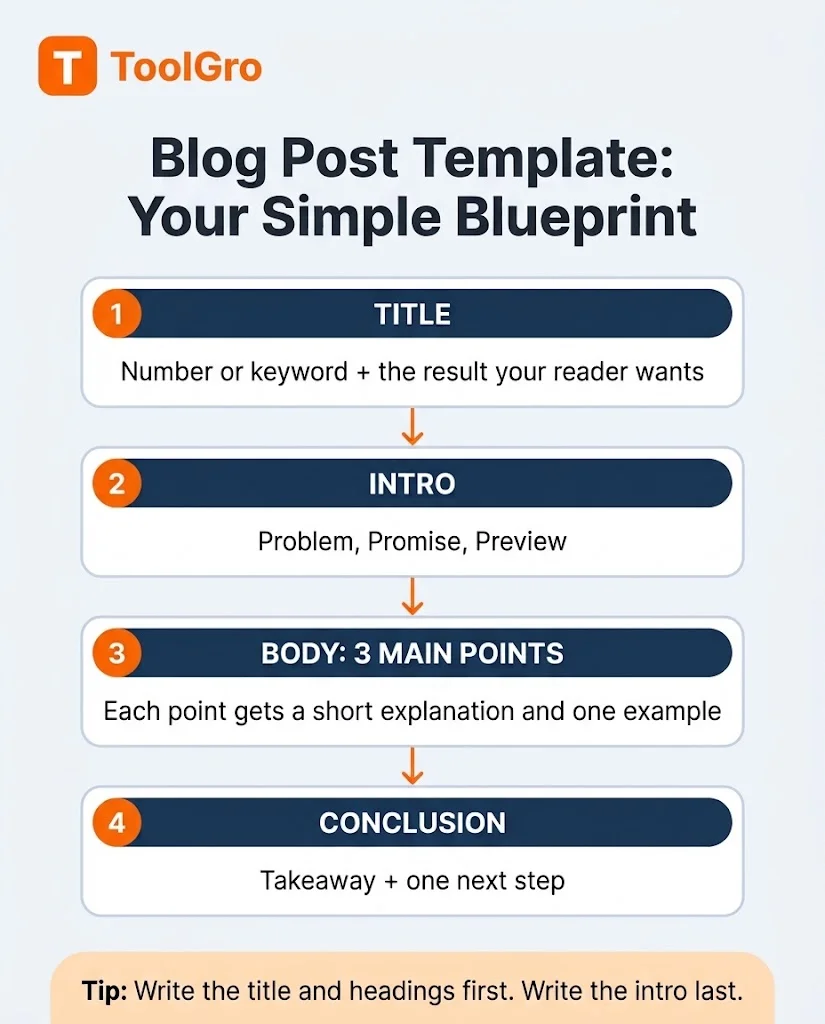
Copy the full version below and fill in the brackets.
TITLE: [Number or keyword] + [result your reader wants]

INTRO (2–3 sentences)

- Sentence 1: Name the reader's problem.
- Sentence 2: Promise what they will learn or be able to do.
- Sentence 3: Preview what is coming.

SECTION 1: [First main point]

- Explain it in 2–3 short paragraphs.
- Add one example.

SECTION 2: [Second main point]

- Explain it in 2–3 short paragraphs.
- Add one example.

SECTION 3: [Third main point]

- Explain it in 2–3 short paragraphs.
- Add one example.

CONCLUSION (2–3 sentences)

- Sum up the main takeaway.
- Tell the reader one thing to do next.
Blog Writing Examples FAQs
What is an example of a blog post?
A blog post is an article a writer publishes on a website. Blog writing examples include how-to guides, listicles, comparison posts, and myth-busting posts. For example, “7 Tips for Writing Blog Titles That Get Clicks” is a listicle, while “Short Posts vs Long Posts” is a comparison.
How do I write a blog post?
To write a great blog post, select a clear topic and understand your audience’s search intent. Write a title that makes readers want to know more, followed by a short intro that grabs their attention. Based on your research, develop each point under its own heading. Add a conclusion and images or videos, then edit and proofread the post before you publish.
How long should a blog post be?
There is no single ideal length. Many in-depth blog posts run longer than 1,500 words, but quality and search intent matter more than word count. Cover the topic fully, and stop when the reader’s question is answered.
What are common blog writing mistakes?
Common blog writing mistakes include:
1. Ignoring searchers’ intent.
2. Writing about random topics without a plan or a clear goal.
3. Using too few images, which leaves the post looking like a wall of text.
4. Writing weak titles and introductions that fail to engage readers.
5. Turning the article into a sales pitch.
6. Overusing one focus keyword for SEO (helping people find your content on Google), also known as keyword stuffing. This can hurt the post’s chances of ranking.
7. Having no conclusion, or ending the article poorly, which leaves readers unsatisfied and without a solution to their problem.
Final Thoughts on Blog Writing Examples
You do not need to master all five formats at once. Pick one of the blog writing examples above that fits your topic, and start there. Use a how-to post to teach a task. Use a before-and-after post to show a change. Use a comparison to help readers choose. Use a myth-busting post to fix a common misunderstanding, and a listicle to share quick tips. The best way to learn is to write. Copy the template above, fill in the brackets, and publish your first post. It does not have to be perfect, and your next one will be better.